
Updated 28 October 2026 by FRST Foundation
FRST Foundation is not the story of one person working alone. It is a shared mission led by co-founders Farha Naaz and Fateh Randhawa, supported by a wider team, institutional partners and the blind and visually impaired people who continue to shape the work through their experience and feedback.
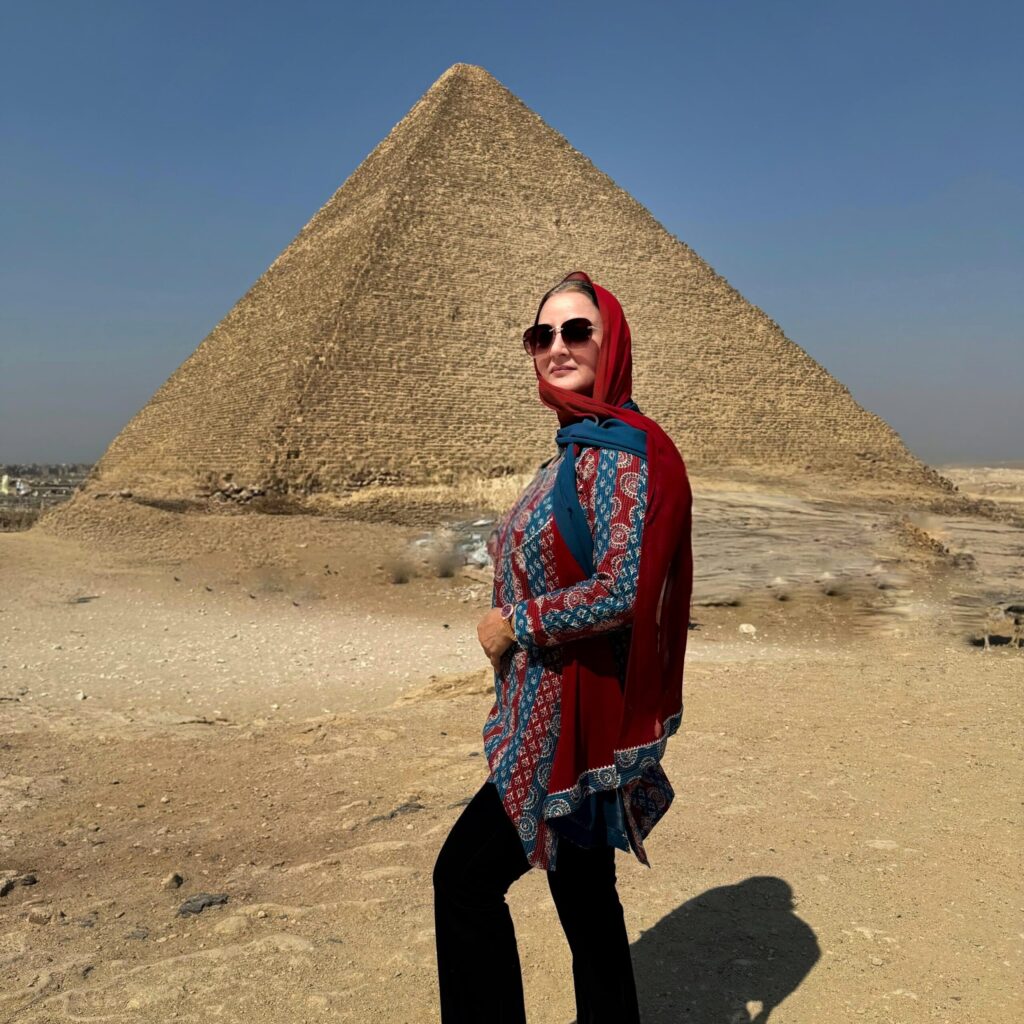
Farha Naaz is known publicly for her work in Indian cinema. At FRST Foundation, however, her role is not a celebrity endorsement. She is a co-founder and director whose encouragement and involvement are central to why the organisation exists.
A mother-and-son mission
Fateh has consistently described the Foundation as a mission he discussed and developed with his mother, Farha. Her support helped turn an idea into an organisation with a defined public purpose.
FRST Foundation was incorporated as a Section 8 not-for-profit company on 31 August 2024. Its work focuses on a practical public-recognition gap affecting blind and visually impaired people.
The problem is recognition, not vision
A sighted person may not immediately recognise that someone nearby is blind or visually impaired. This can matter in crowded public places, transport systems, low-light environments and situations where a person is asking for information or space.
FRST Foundation distributes distinctive blue reflective jackets and raincoats free of cost through documented initiatives. The garments do not improve vision. They do not guarantee accident prevention or replace accessible infrastructure, a white cane, a guide dog or trained support.
They are intended to provide a recognisable cue for sighted people. That cue should lead to four actions: notice, recognise, understand and ask.
Why public attention must become public understanding
A familiar public name can bring attention to a cause, but attention alone is not impact. The important question is what people understand and do afterwards.
- Do they recognise what FRST Blue is intended to signal?
- Do they ask before offering help?
- Do they respect a person who says no?
- Do they support accessible systems instead of treating one product as a complete solution?
- Do donors and partners expect dated evidence rather than dramatic promises?
This is the standard the Foundation must apply to its own communication as well.
The mission in action
As of 28 October 2026, FRST Foundation’s work includes 60+ initiatives and community engagements and 6,006 jackets and raincoats contributed through the Foundation and its partners. The Foundation has worked with 29 organizations and institutions. All FRST beneficiary support is completely free for blind and visually impaired people.
That documented reach is evidence of delivery; FRST Foundation does not claim that the gear prevented every danger or guarantees safety.
Credit belongs to more than the founders
The Foundation’s work depends on team members, volunteers, donors, corporate supporters, schools, associations and other institutions that organise distributions and provide acknowledgement records. Most importantly, the programme must remain accountable to blind and visually impaired wearers, not only to the people who design or fund it.
A credible founding story should invite people into the mission without turning disability into a backdrop for celebrity or praise.
How to take part
You can learn how the recognition model works, meet the wider FRST Foundation team, review acknowledgements and reports, explore a corporate partnership, or support a future distribution.
FRST Foundation is a distinct Section 8 not-for-profit entity. Donations and Foundation activities should be verified through the Foundation’s official website and payment channels.